
Description
Informations Sur Le Produit
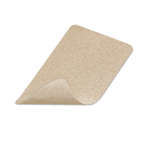
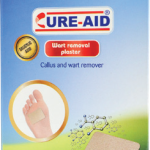
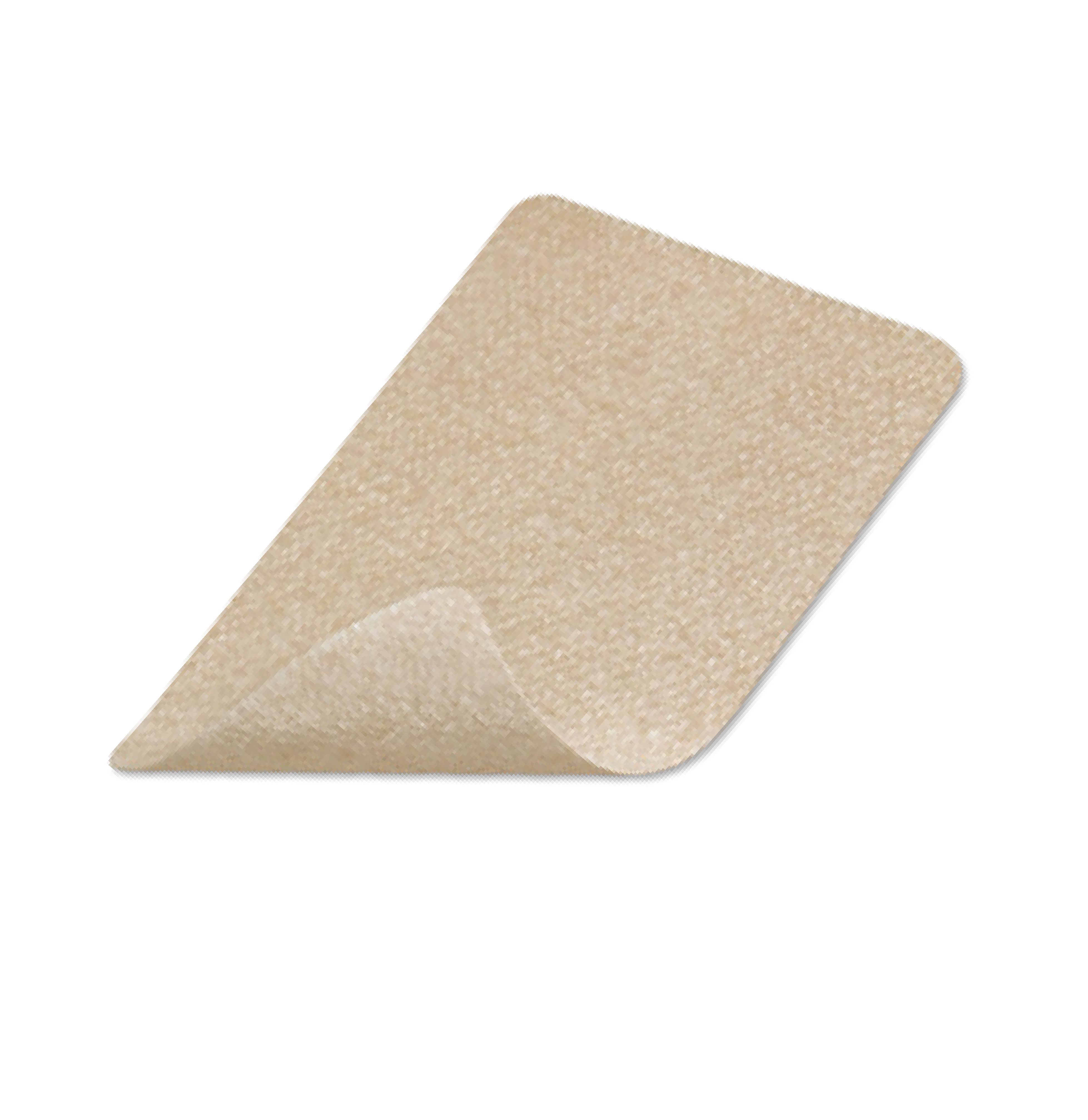
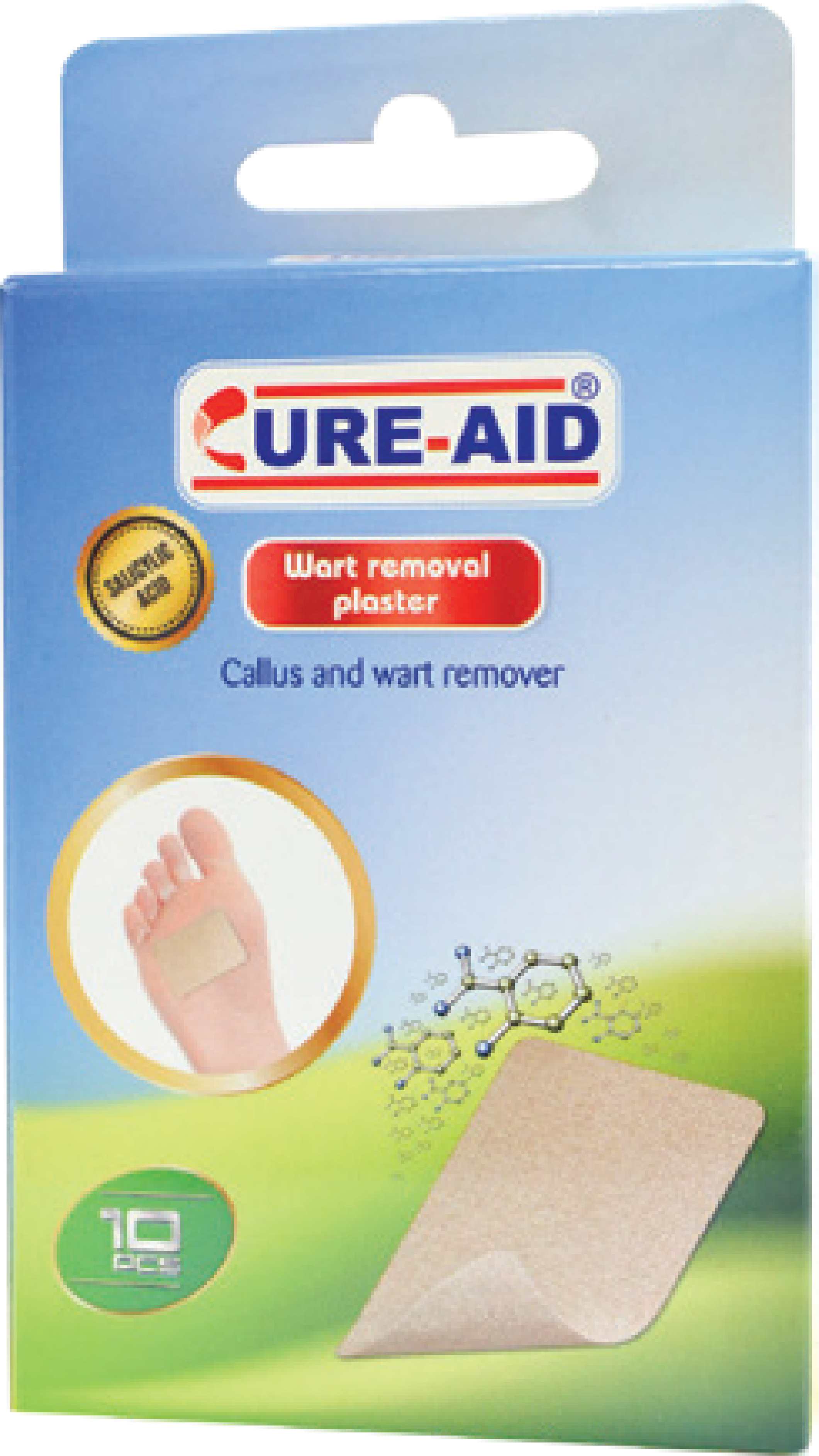
Cure-Aid® Wart Removal Plaster Le verrucide Cure Aid est en coton ou en fibranne, recouvert d’un adhésif en caoutchouc/oxyde de zinc contenant de l’acide salicylique 40% w/w. La face adhésive est recouverte d’une bande de protection anti-adhésive à retirer avant l’application.
Efficacité de l’acide salicylique dans une matrice caoutchouteuse sans latex
La plupart des verrucides sur le marché contiennent de l’acide salicylique incorporé dans du caoutchouc naturel qui peut entraîner des réactions allergiques. Contrairement aux autres verrucides, le produit Pharmaplast contient de l’acide salicylique, formulé en caoutchouc synthétique, par conséquent le produit est sans latex et ne provoque pas d’allergie.
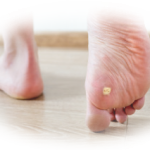
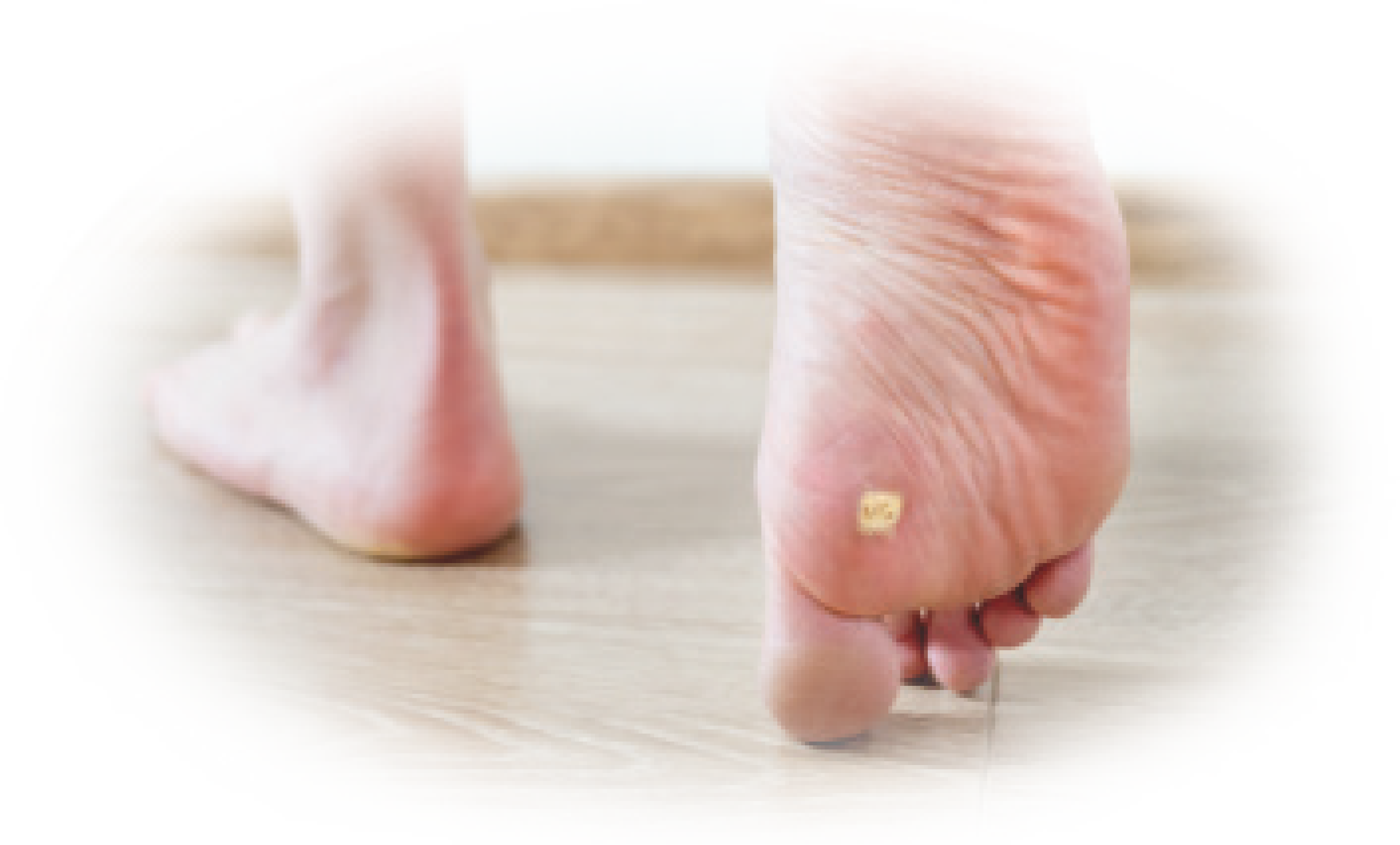
Cure-Aid® With Salicylic Acid used for Wart, Corn, Verruca and Callus removal.
Don’t use on patient with known sensitivity to the product or any of its components specially Polyisobutenes and
Carboxymethylcellulose.
1. Do not use on infected wounds.
2. If you have diabetes, or problems with circulation, ask your doctor or chiropodist before using this product.
3. If the blister fails to heal or the surrounding skin becomes red and swollen, consult your doctor or pharmacist.
4. Use only once. Re-use could result in risk of cross-infection and reduced product performance.
5. Don’t use in combination with cream, as the spot may no longer stick to the wound and thus will not provide full
treatment benefits.
6. Apply the cold sore patch and acne patch before wearing makeup.
7. Do not use the product in case the pouch is open/ damaged.
8. Do not use for bleeding wounds/ third degree burns.
Au contact de la peau, l’humidité dégage de l’acide salicylique de la matrice caoutchouteuse. L’acide salicylique est un acide bêta hydroxyde. Son effet kératolytique augmente le taux de chute des cellules de l’épiderme. L’acide salicylique traite les verrues en détachant la peau et en cassant les cellules cutanées qui forment les verrues. Sous son action la verrue devient très molle et plus facile à supprimer avec une lime. Ainsi, il y a moins de friction et d’irritation de la peau.
1. Wash the affected area with soap and water and dry thoroughly since oils and moisture reduce adhesion.
2. If the blister has burst apply a mild antiseptic.
3. Peel off the large release liner flap. Apply centrally over the affected area.
4. Peel off the small release liner flap. Smooth over the surrounding skin.
5. Leave the plaster in place until it loosens naturally.
6. Repeat until healing process is complete.
Retrait du sparadrap :
1. Carefully lift the dressing edges (film border) while pressing down on the skin
2.Continue lifting the edges until all are free from the skin surface.
3.Press down on skin to separate dressing from skin.
4.Alternatively, stretching the dressing horizontally and lifting it will facilitate removal in most situations.
5.Discard the dressing into appropriate recycle bin.
How often to change the plaster:
1. The dressing should remain in place as long as possible.
2. If leaks are detected, the plaster should be changed immediately.
3. Change the plaster when maximum absorption has been reached.
Code | Size | Pcs/Box | Box/ display |
CUREWR5072 | 50×72 mm | 10 | 24 |



Avis
Il n’y a pas encore d’avis.